

6 Best Alternatives to Liven for ADHD

Personalised wellness is a starting point. ADHD needs more.

May 10, 2026
8
 min read
Medically reviewed by
Table of contents:
Inflow vs Liven app comparison — best ADHD alternatives to Liven

Liven is a personalised mindfulness and mental wellness app that adapts its content recommendations based on your goals, mood, and activity patterns. The adaptive approach is genuinely more sophisticated than a static content library — rather than presenting you with hundreds of sessions and leaving you to choose, Liven filters toward what it thinks you need.

That's theoretically useful for ADHD adults who struggle with decision fatigue in large content libraries. In practice, the quality of Liven's generic content has been a consistent user complaint — and for ADHD adults who need more than mood-matched wellness tips, the adaptive wrapper doesn't change what's inside.

This guide looks at what Liven offers, where it has limits for ADHD specifically, and six alternatives that address the gaps.

Looking for wellness support actually built for ADHD?

Inflow's free ADHD quiz takes 2 minutes and matches you to a plan built specifically for your brain — not general wellness content with ADHD tagging.

What Is Liven?

Liven is a personalised mental wellness app offering guided meditation, habit tracking, breathing exercises, sleep content, and mood journaling. It adapts its content recommendations based on user data over time.

At a glance:

  • Best known for: Personalised content recommendations across mindfulness, sleep, breathing, and habits
  • Main use case: General mental wellness improvement through adaptive daily content
  • Designed for: General adults — not built for ADHD specifically
  • Pricing: Dynamic pricing. Approximately $7.99/week or ~$34.99/month. Annual plans available.
  • Platforms: iOS, Android
  • User feedback: App Store reviews consistently flag generic content quality and high cost-to-value ratio.

Is Liven Good for ADHD?

Its adaptive approach reduces the decision fatigue of large content libraries — which is genuinely useful for ADHD. The quality limitations, pricing model, and lack of ADHD-specific content are significant limitations.

Where it actually helps

Adaptive recommendations reduce decision fatigue. Liven's personalisation layer narrows a large content library to what it thinks you need — removing the overwhelming choice paralysis that ADHD brains experience when faced with hundreds of undifferentiated sessions.

Multiple content categories in one app. Meditation, sleep, breathing exercises, habit tracking — a broad scope that reduces the number of separate apps needed for different wellness functions.

Where it falls short for ADHD

Content quality reviews are consistently critical. Across App Store reviews, the most common complaint is that the underlying content — the meditations, exercises, and wellness content that personalisation surfaces — is generic and less effective than competitors at a lower price point.

Dynamic pricing is high relative to the field. Liven's weekly or monthly pricing structure puts it at the higher end of the category without the content library depth of Calm or Headspace.

No ADHD-specific content, framing, or tools. Personalisation adapts what you see, not what exists. The library doesn't include ADHD-specific content — so the adaptive wrapper is still surfacing general wellness content to a brain that needs more specific support.

Six Alternatives Worth Trying

1. Inflow — ADHD-Specific Where Liven Is Generic

If Liven's appeal is the personalised approach to wellness content, Inflow provides something more valuable: content that's specifically built for ADHD brains rather than adapted from a general wellness library.

Every module in Inflow was designed for ADHD. The CBT content is framed around ADHD-specific patterns — not general stress management or mindfulness principles repurposed for neurodivergent users. Rejection sensitivity, task paralysis, shame cycles, time blindness — the content addresses these because it was built for them.

What's inside:

  • CBT-based daily modules built specifically for ADHD challenges — not general wellness content with ADHD tagging
  • Virtual coworking rooms — body doubling that addresses ADHD task initiation directly
  • Quinn, the AI support tool — ADHD-specific real-time guidance, not a generic AI chatbot
  • Community of ADHD adults — peer connection with people who genuinely understand the experience
  • Live expert events on ADHD-specific topics

7-day free trial. Refund available within 7 days of first payment through Inflow's website.

Pricing: From $0.33/day (billed annually).

Platforms: iOS, Android.

Try it: Take Inflow's ADHD quiz to get started.

Want ADHD-specific content — not adapted from general wellness?

Take Inflow's quick ADHD quiz to get a personalized plan covering rejection sensitivity, task paralysis, shame cycles, and time blindness — built for ADHD, not filtered toward it.

2. Wysa — Free CBT Support with Better Clinical Foundation

Wysa is a free AI-powered mental health chatbot grounded in CBT and DBT, with 45+ peer-reviewed studies. For ADHD adults attracted to Liven's emotional wellness angle but put off by the price-to-quality ratio, Wysa provides a more clinically grounded alternative at no cost.

Best for: ADHD adults who want CBT-based emotional support with a stronger evidence base — at no cost.

Pricing: Free core tier. Optional coaching ~$29.99/month.

Platforms: iOS, Android, Web.

3. Finch — Simpler, Gentler, No-Pressure Daily Wellness
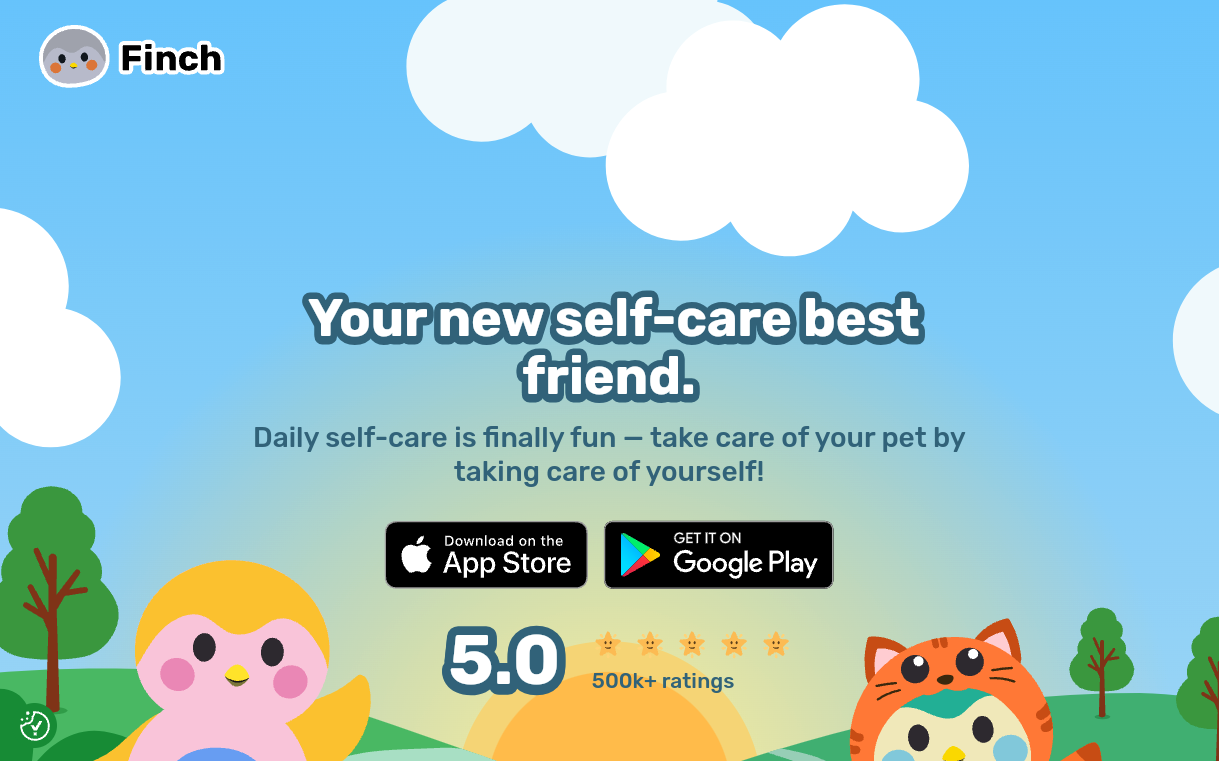
Finch is a self-care app with a virtual pet bird. No clinical framework, no adaptive algorithm — just small self-defined wellness goals with no judgment for missed days. For ADHD adults who want a simple daily wellness habit without the premium pricing or the generic content, Finch's free-first approach is worth considering.

Best for: ADHD adults who want the daily self-care habit without the complexity or cost — and who don't need meditation or CBT content specifically.

Pricing: Free core version. Finch Plus ~$69.99/year.

Platforms: iOS, Android.

4. BetterHelp — For When Wellness Apps Aren't Reaching the Real Problem

If ADHD's emotional and functional challenges are significant enough that a wellness app — however personalised — isn't meaningfully helping, professional therapeutic support may be what's actually needed.

BetterHelp connects users with licensed therapists via video, phone, and messaging. For ADHD adults who've tried multiple wellness apps and are still struggling, the question worth asking is whether individual self-directed content is the right format — or whether professional support is what's genuinely needed.

Best for: ADHD adults who recognise that personalised wellness content isn't reaching the level of support they actually need.

Pricing: ~$65–$100/week. Financial aid available. Insurance expanding in 2026.

Platforms: iOS, Android, Web.

5. Headspace — Better Content Quality in the Meditation Category

If meditation and mindfulness are specifically what you're looking for — not habit tracking or mood journaling — Headspace's content quality is significantly stronger than Liven's, at a comparable or lower price point.

Best for: ADHD adults who found Liven's meditation content underwhelming and want a dedicated meditation app with higher production quality and clearer structure.

Pricing: $12.99/month or $69.99/year.

Platforms: iOS, Android, Web.

6. Tiimo — Habit and Time Structure Built for ADHD Brains

Tiimo is a visual daily planner built specifically for neurodivergent users. For ADHD adults who used Liven primarily for the habit tracking dimension — wanting to build consistent daily routines — Tiimo provides a more ADHD-appropriate alternative that addresses time blindness alongside habit structure.

Best for: ADHD adults who used Liven for habit tracking and want a tool designed specifically for neurodivergent daily structure.

Pricing: Free tier. Pro ~$7–$12/month.

Platforms: iOS, Android, Web, Apple Watch.

Side-by-Side Comparison

Liven Inflow Wysa Finch Headspace Tiimo
ADHD-specific content
CBT-based framework
Personalised recommendations ⚠️
Meditation / mindfulness
Habit / routine support
Body doubling
Community
No streak mechanics ⚠️
Clinical evidence base ✅ RCT ✅ 45+ studies ⚠️
Free tier ⚠️ 7-day ⚠️
Pricing ~$35/mo From $0.33/day Free / ~$30/mo ~$69.99/yr $69.99/yr ~$60–90/yr
Platforms iOS, Android iOS, Android iOS, Android, Web iOS, Android iOS, Android, Web iOS, Android, Web

How to Choose

You want personalised wellness content across meditation, sleep, and habits. Liven — though aware of the generic content quality complaints before committing financially.

You want ADHD-specific support with a real clinical foundation. Inflow. Built for ADHD, grounded in CBT, with an RCT validating effectiveness. Take the quiz.

You want free CBT-based emotional support. Wysa. Free core tier, 45+ peer-reviewed studies.

You want the daily wellness habit at the lowest possible cost. Finch's core features are free.

Meditation quality is the priority. Headspace. Stronger content library at comparable or lower cost than Liven.

Neurodivergent-specific habit and time structure is the priority. Tiimo. Built specifically for ADHD and autism daily planning.

Final Thoughts

Liven's personalised approach addresses a real problem — decision fatigue in large content libraries. But for ADHD adults who need more than general wellness content with adaptive filtering, personalisation doesn't compensate for content that was never built for your brain.

The alternatives above offer more specificity, better evidence bases, or more appropriate pricing — depending on what you actually need.

Find support built for your brain

Take Inflow's free ADHD quiz to understand your specific ADHD challenges and see how the app could help. 7-day free trial, refund available within 7 days of first payment through Inflow's website.

Ready for support that was built for your brain?

Liven personalises general wellness. Inflow is built specifically for ADHD — every module, every feature, every piece of content. Start with the free quiz.

Frequently Asked Questions

Is Liven good for ADHD?

Liven's adaptive personalisation reduces decision fatigue — which is genuinely useful for ADHD. Its main limitations for ADHD adults are the generic content quality flagged in user reviews, high pricing relative to alternatives, and no ADHD-specific content in the underlying library.

How much does Liven cost?

Liven uses dynamic pricing. Current pricing runs approximately $7.99/week or ~$34.99/month, with annual plans available. This positions it at the higher end of the wellness app category.

What is a better alternative to Liven for ADHD?

For ADHD-specific content: Inflow. For free CBT-based support: Wysa. For meditation quality: Headspace or Calm at comparable or lower cost. For no-pressure daily self-care: Finch.

Is Liven backed by clinical research?

Liven's adaptive wellness approach is grounded in general wellness principles, but it doesn't have the same peer-reviewed clinical evidence base as platforms like Wysa (45+ studies) or Inflow (RCT validation).

Can't find the content you're looking for?

Send a topic request to the Inflow's blog editors. If we publish your topic idea, it could end up helping other people like you!
Request a topic
Send feedback

6 Best Alternatives to Liven for ADHD

Personalised wellness is a starting point. ADHD needs more.

Inflow vs Liven app comparison — best ADHD alternatives to Liven

Liven is a personalised mindfulness and mental wellness app that adapts its content recommendations based on your goals, mood, and activity patterns. The adaptive approach is genuinely more sophisticated than a static content library — rather than presenting you with hundreds of sessions and leaving you to choose, Liven filters toward what it thinks you need.

That's theoretically useful for ADHD adults who struggle with decision fatigue in large content libraries. In practice, the quality of Liven's generic content has been a consistent user complaint — and for ADHD adults who need more than mood-matched wellness tips, the adaptive wrapper doesn't change what's inside.

This guide looks at what Liven offers, where it has limits for ADHD specifically, and six alternatives that address the gaps.

Looking for wellness support actually built for ADHD?

Inflow's free ADHD quiz takes 2 minutes and matches you to a plan built specifically for your brain — not general wellness content with ADHD tagging.

What Is Liven?

Liven is a personalised mental wellness app offering guided meditation, habit tracking, breathing exercises, sleep content, and mood journaling. It adapts its content recommendations based on user data over time.

At a glance:

  • Best known for: Personalised content recommendations across mindfulness, sleep, breathing, and habits
  • Main use case: General mental wellness improvement through adaptive daily content
  • Designed for: General adults — not built for ADHD specifically
  • Pricing: Dynamic pricing. Approximately $7.99/week or ~$34.99/month. Annual plans available.
  • Platforms: iOS, Android
  • User feedback: App Store reviews consistently flag generic content quality and high cost-to-value ratio.

Is Liven Good for ADHD?

Its adaptive approach reduces the decision fatigue of large content libraries — which is genuinely useful for ADHD. The quality limitations, pricing model, and lack of ADHD-specific content are significant limitations.

Where it actually helps

Adaptive recommendations reduce decision fatigue. Liven's personalisation layer narrows a large content library to what it thinks you need — removing the overwhelming choice paralysis that ADHD brains experience when faced with hundreds of undifferentiated sessions.

Multiple content categories in one app. Meditation, sleep, breathing exercises, habit tracking — a broad scope that reduces the number of separate apps needed for different wellness functions.

Where it falls short for ADHD

Content quality reviews are consistently critical. Across App Store reviews, the most common complaint is that the underlying content — the meditations, exercises, and wellness content that personalisation surfaces — is generic and less effective than competitors at a lower price point.

Dynamic pricing is high relative to the field. Liven's weekly or monthly pricing structure puts it at the higher end of the category without the content library depth of Calm or Headspace.

No ADHD-specific content, framing, or tools. Personalisation adapts what you see, not what exists. The library doesn't include ADHD-specific content — so the adaptive wrapper is still surfacing general wellness content to a brain that needs more specific support.

Six Alternatives Worth Trying

1. Inflow — ADHD-Specific Where Liven Is Generic

If Liven's appeal is the personalised approach to wellness content, Inflow provides something more valuable: content that's specifically built for ADHD brains rather than adapted from a general wellness library.

Every module in Inflow was designed for ADHD. The CBT content is framed around ADHD-specific patterns — not general stress management or mindfulness principles repurposed for neurodivergent users. Rejection sensitivity, task paralysis, shame cycles, time blindness — the content addresses these because it was built for them.

What's inside:

  • CBT-based daily modules built specifically for ADHD challenges — not general wellness content with ADHD tagging
  • Virtual coworking rooms — body doubling that addresses ADHD task initiation directly
  • Quinn, the AI support tool — ADHD-specific real-time guidance, not a generic AI chatbot
  • Community of ADHD adults — peer connection with people who genuinely understand the experience
  • Live expert events on ADHD-specific topics

7-day free trial. Refund available within 7 days of first payment through Inflow's website.

Pricing: From $0.33/day (billed annually).

Platforms: iOS, Android.

Try it: Take Inflow's ADHD quiz to get started.

Want ADHD-specific content — not adapted from general wellness?

Take Inflow's quick ADHD quiz to get a personalized plan covering rejection sensitivity, task paralysis, shame cycles, and time blindness — built for ADHD, not filtered toward it.

2. Wysa — Free CBT Support with Better Clinical Foundation

Wysa is a free AI-powered mental health chatbot grounded in CBT and DBT, with 45+ peer-reviewed studies. For ADHD adults attracted to Liven's emotional wellness angle but put off by the price-to-quality ratio, Wysa provides a more clinically grounded alternative at no cost.

Best for: ADHD adults who want CBT-based emotional support with a stronger evidence base — at no cost.

Pricing: Free core tier. Optional coaching ~$29.99/month.

Platforms: iOS, Android, Web.

3. Finch — Simpler, Gentler, No-Pressure Daily Wellness

Finch is a self-care app with a virtual pet bird. No clinical framework, no adaptive algorithm — just small self-defined wellness goals with no judgment for missed days. For ADHD adults who want a simple daily wellness habit without the premium pricing or the generic content, Finch's free-first approach is worth considering.

Best for: ADHD adults who want the daily self-care habit without the complexity or cost — and who don't need meditation or CBT content specifically.

Pricing: Free core version. Finch Plus ~$69.99/year.

Platforms: iOS, Android.

4. BetterHelp — For When Wellness Apps Aren't Reaching the Real Problem

If ADHD's emotional and functional challenges are significant enough that a wellness app — however personalised — isn't meaningfully helping, professional therapeutic support may be what's actually needed.

BetterHelp connects users with licensed therapists via video, phone, and messaging. For ADHD adults who've tried multiple wellness apps and are still struggling, the question worth asking is whether individual self-directed content is the right format — or whether professional support is what's genuinely needed.

Best for: ADHD adults who recognise that personalised wellness content isn't reaching the level of support they actually need.

Pricing: ~$65–$100/week. Financial aid available. Insurance expanding in 2026.

Platforms: iOS, Android, Web.

5. Headspace — Better Content Quality in the Meditation Category

If meditation and mindfulness are specifically what you're looking for — not habit tracking or mood journaling — Headspace's content quality is significantly stronger than Liven's, at a comparable or lower price point.

Best for: ADHD adults who found Liven's meditation content underwhelming and want a dedicated meditation app with higher production quality and clearer structure.

Pricing: $12.99/month or $69.99/year.

Platforms: iOS, Android, Web.

6. Tiimo — Habit and Time Structure Built for ADHD Brains

Tiimo is a visual daily planner built specifically for neurodivergent users. For ADHD adults who used Liven primarily for the habit tracking dimension — wanting to build consistent daily routines — Tiimo provides a more ADHD-appropriate alternative that addresses time blindness alongside habit structure.

Best for: ADHD adults who used Liven for habit tracking and want a tool designed specifically for neurodivergent daily structure.

Pricing: Free tier. Pro ~$7–$12/month.

Platforms: iOS, Android, Web, Apple Watch.

Side-by-Side Comparison

Liven Inflow Wysa Finch Headspace Tiimo
ADHD-specific content
CBT-based framework
Personalised recommendations ⚠️
Meditation / mindfulness
Habit / routine support
Body doubling
Community
No streak mechanics ⚠️
Clinical evidence base ✅ RCT ✅ 45+ studies ⚠️
Free tier ⚠️ 7-day ⚠️
Pricing ~$35/mo From $0.33/day Free / ~$30/mo ~$69.99/yr $69.99/yr ~$60–90/yr
Platforms iOS, Android iOS, Android iOS, Android, Web iOS, Android iOS, Android, Web iOS, Android, Web

How to Choose

You want personalised wellness content across meditation, sleep, and habits. Liven — though aware of the generic content quality complaints before committing financially.

You want ADHD-specific support with a real clinical foundation. Inflow. Built for ADHD, grounded in CBT, with an RCT validating effectiveness. Take the quiz.

You want free CBT-based emotional support. Wysa. Free core tier, 45+ peer-reviewed studies.

You want the daily wellness habit at the lowest possible cost. Finch's core features are free.

Meditation quality is the priority. Headspace. Stronger content library at comparable or lower cost than Liven.

Neurodivergent-specific habit and time structure is the priority. Tiimo. Built specifically for ADHD and autism daily planning.

Final Thoughts

Liven's personalised approach addresses a real problem — decision fatigue in large content libraries. But for ADHD adults who need more than general wellness content with adaptive filtering, personalisation doesn't compensate for content that was never built for your brain.

The alternatives above offer more specificity, better evidence bases, or more appropriate pricing — depending on what you actually need.

Find support built for your brain

Take Inflow's free ADHD quiz to understand your specific ADHD challenges and see how the app could help. 7-day free trial, refund available within 7 days of first payment through Inflow's website.

Ready for support that was built for your brain?

Liven personalises general wellness. Inflow is built specifically for ADHD — every module, every feature, every piece of content. Start with the free quiz.

Frequently Asked Questions

Is Liven good for ADHD?

Liven's adaptive personalisation reduces decision fatigue — which is genuinely useful for ADHD. Its main limitations for ADHD adults are the generic content quality flagged in user reviews, high pricing relative to alternatives, and no ADHD-specific content in the underlying library.

How much does Liven cost?

Liven uses dynamic pricing. Current pricing runs approximately $7.99/week or ~$34.99/month, with annual plans available. This positions it at the higher end of the wellness app category.

What is a better alternative to Liven for ADHD?

For ADHD-specific content: Inflow. For free CBT-based support: Wysa. For meditation quality: Headspace or Calm at comparable or lower cost. For no-pressure daily self-care: Finch.

Is Liven backed by clinical research?

Liven's adaptive wellness approach is grounded in general wellness principles, but it doesn't have the same peer-reviewed clinical evidence base as platforms like Wysa (45+ studies) or Inflow (RCT validation).

Looking for support?

Inflow can help you thrive with ADHD and reach your full potential. Start your journey now by taking our quiz.

Take the quiz