


ADHD and food have a complicated relationship. Not in a dramatic way — just in the everyday reality that ADHD affects impulse control, emotional regulation, time awareness, and the capacity for consistent behaviour. All of which are also relevant to eating.
Noom approaches weight loss through a psychological lens — habit coaching, cognitive reframing, understanding the emotional drivers of eating behaviour. That framing resonates with ADHD adults in a way that calorie-tracking apps often don't, because it acknowledges that the eating pattern is connected to emotional and cognitive patterns, not just dietary choices.
But ADHD adults also quickly run into Noom's limitations: the daily lesson format is extensive, the food logging requires consistent follow-through, and the content was built for general audiences facing general eating challenges — not the specific ADHD-related patterns that drive food and lifestyle difficulties.
This guide looks at what Noom offers, where it works for ADHD, where it reaches its limits, and six alternatives worth knowing.
What Is Noom?

Noom is a psychology-based weight loss and behaviour change app that combines daily educational content, food logging, habit coaching, and goal tracking. Its distinction from traditional calorie-counter apps is the CBT-influenced coaching approach that addresses the psychological drivers of eating behaviour.
At a glance:
- Best known for: Psychology-based weight loss through daily coaching and CBT-influenced habit change
- Main use case: Weight management through behaviour change — addressing emotional and habit-based eating patterns
- Designed for: Adults seeking sustainable weight loss through psychological behaviour change
- Pricing: ~$17.42/month on an annual plan. Pricing varies significantly by promotional offers.
- Platforms: iOS, Android
- Notable addition: Noom Med — GLP-1 medication support (like Ozempic/Wegovy) is now a significant feature for medically eligible users.
Is Noom Good for ADHD?
The psychological framing is genuinely more relevant to ADHD than traditional calorie-tracking approaches. Its limits are around format, consistency expectations, and the absence of ADHD-specific content.
Where it actually helps
Psychological framing addresses the patterns underneath eating behaviour. Noom teaches users to understand the triggers and thoughts that drive eating decisions rather than treating food as purely a calorie equation. For ADHD adults whose eating patterns are driven by boredom, emotional dysregulation, impulsivity, and stress — this framing is more accurate than most diet apps.
Daily lessons provide external structure. Short daily lessons give ADHD brains an external routine anchor. The lesson format is more engaging than a food diary alone.
Noom Med for medically eligible users. If GLP-1 medication is clinically appropriate and of interest, Noom Med integrates prescription support with the behaviour change program — covering the neurological and behavioural dimensions simultaneously.
Where it falls short for ADHD
Daily food logging requires consistent follow-through. Logging every meal, every day, accurately — is an executive function task that ADHD makes unreliable. The food data that Noom's coaching uses becomes useless if logging is inconsistent, and inconsistent logging creates its own shame spiral.
Daily lesson format is lengthy. Noom's lessons are more substantial than typical app content. For ADHD brains that function well with bite-sized content, the lesson length can be a barrier to consistent engagement.
ADHD is not the context. Noom's behaviour change framework is general — it doesn't know that impulsive eating during an emotional flooding episode is different from mindless snacking from boredom, even though both look the same in a food log. ADHD-specific framing is absent.
Six Alternatives Worth Trying
1. Inflow — For the ADHD Patterns Underneath Food Behaviour
.png)
Noom addresses the psychology of eating. Inflow addresses the ADHD patterns that drive erratic eating, emotional snacking, time blindness around meals, and the executive dysfunction that makes consistent food-related habits so hard to sustain.
For ADHD adults whose relationship with food is primarily driven by emotional regulation difficulty, impulsivity, and inconsistent follow-through — understanding those root patterns through an ADHD-specific CBT lens is more targeted than general behaviour change coaching.
Inflow doesn't focus on weight loss specifically. It focuses on the ADHD patterns that affect all areas of daily functioning — including the ones that make consistent eating habits genuinely difficult.
What's inside:
- CBT modules on impulse control, emotional regulation, and shame cycles — the patterns most relevant to ADHD and food relationships
- Virtual coworking rooms — body doubling for the executive function tasks (meal prep, grocery lists, consistent habits) that ADHD makes inconsistent
- Quinn, the AI support tool — available when impulse or emotional flooding is active and real-time guidance is needed
- Community of ADHD adults who share the specific ADHD experience of food, habits, and self-care
7-day free trial. Refund available within 7 days of first payment through Inflow's website.
Pricing: From $0.33/day (billed annually).
Platforms: iOS, Android.
Try it: Take Inflow's ADHD quiz to get started.
2. Fabulous — Gradual Habit Building for Lifestyle Change
Fabulous is a habit-building app grounded in behavioural science. It builds routines incrementally — starting with one small action (drink water) and layering gradually. For ADHD adults who found Noom's comprehensive daily commitment too demanding, Fabulous's incremental approach starts with the smallest possible version of a healthy habit.
Best for: ADHD adults who want to build consistent lifestyle habits gradually — without the food logging and daily coaching commitment of Noom.
Considerations: Streak mechanics can create shame for ADHD users. Billing complaints flagged in 2026 — review terms before subscribing.
Pricing: ~$39.99/year.
Platforms: iOS, Android.
3. BetterHelp — For When Food Patterns Are Entangled With Serious Emotional Challenges
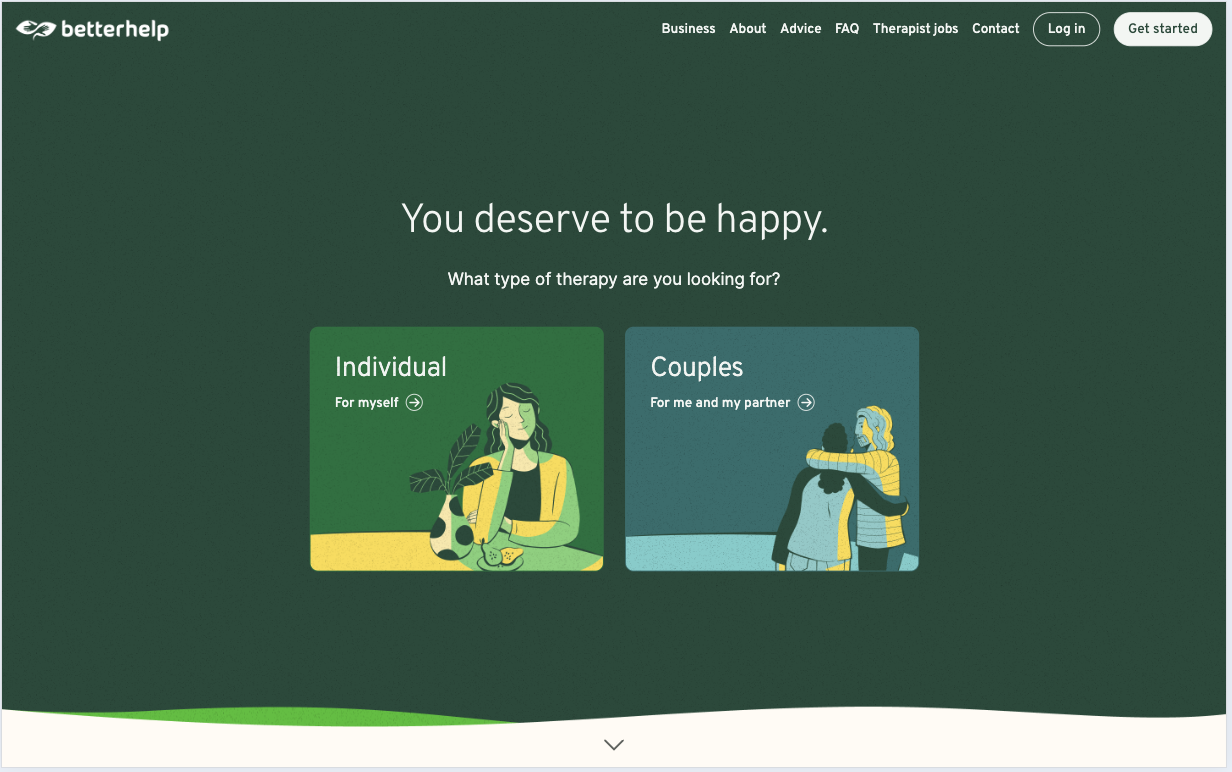
For ADHD adults whose relationship with food is significantly entangled with anxiety, depression, trauma, or disordered eating patterns — general behaviour change apps are not the appropriate tool. Professional therapeutic support is.
Best for: ADHD adults who recognise that their food relationship involves serious emotional challenges that behaviour change coaching cannot and should not address alone.
Considerations: Request an ADHD-informed therapist specifically. Disordered eating requires specialised support — look for therapists with eating psychology experience.
Pricing: ~$65–$100/week. Financial aid available.
Platforms: iOS, Android, Web.
4. Tiimo — Visual Structure for the Habits That Require Consistent Timing
Tiimo is a visual daily planner for neurodivergent users. For ADHD adults whose food habits are disrupted primarily by time blindness — forgetting to eat, eating at erratic times, losing track of the day — Tiimo's visible time structure addresses the root cause.
Best for: ADHD adults whose food challenges are primarily time-blindness driven — forgetting meals, misaligned hunger and schedule — rather than emotionally driven eating.
Pricing: Free tier. Pro ~$7–$12/month.
Platforms: iOS, Android, Web, Apple Watch.
5. Routinery — Consistent Meal and Self-Care Timing Through Routine
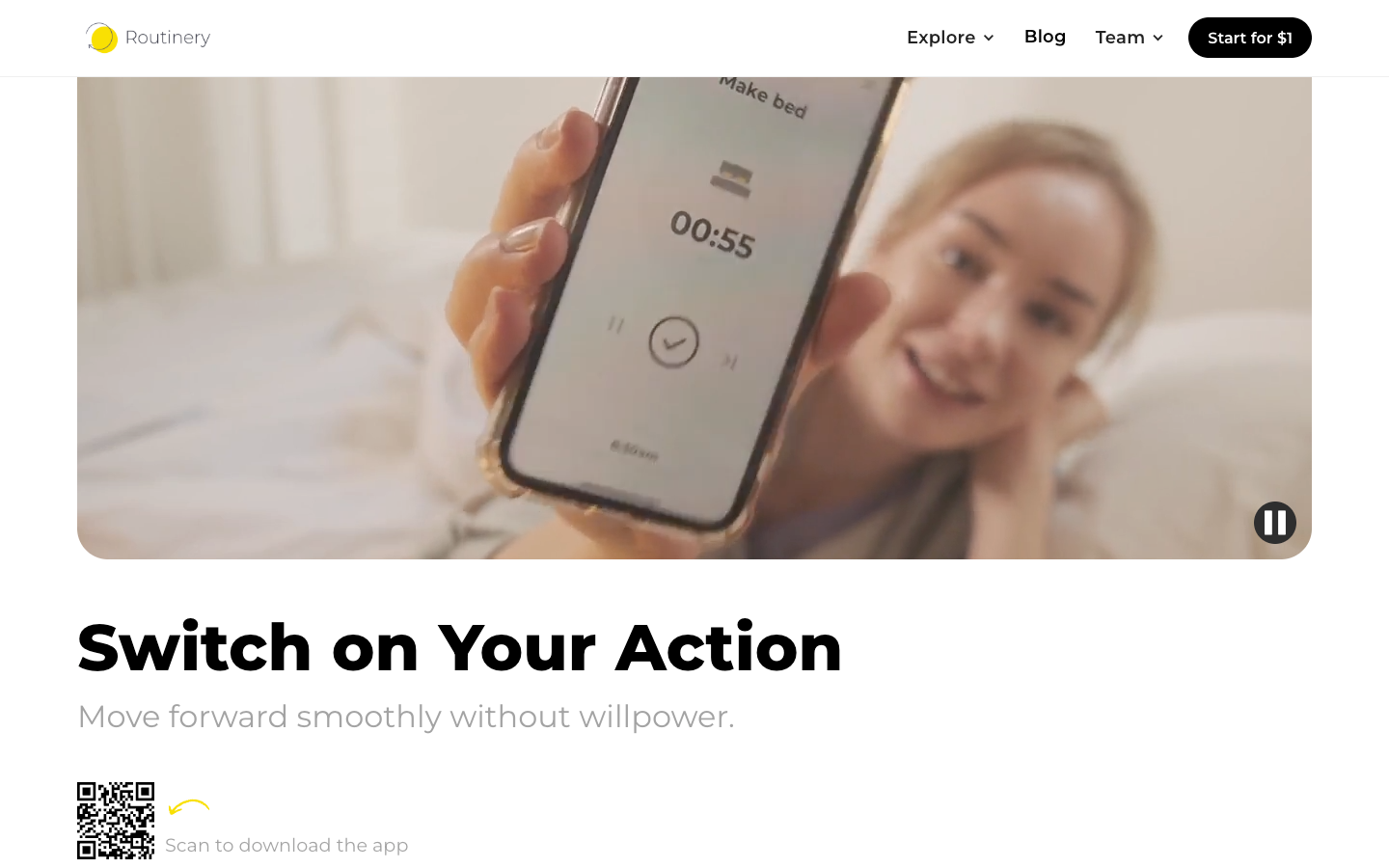
Routinery walks through daily routines step-by-step with countdown timers. Applied to food habits — morning nutrition routine, consistent meal timing — it addresses the sequencing and transition gaps that ADHD creates around meals.
Best for: ADHD adults who want to build consistent meal-time routines using the same step-by-step timer approach that makes morning routines more reliable.
Pricing: Free tier. Premium ~$27.49/year.
Platforms: iOS, Android, Web, Apple Watch.
6. Finch — Low-Stakes Daily Self-Care That Includes Basic Health Habits
Finch allows you to define your own daily wellness goals — including food-related ones. For ADHD adults who find Noom's comprehensive programme overwhelming, Finch lets you set one small daily health intention with no logging overhead and no judgment.
Best for: ADHD adults who need to start with the simplest possible health habit — one small daily intention — before building toward more structured food management approaches.
Pricing: Free core version. Finch Plus ~$69.99/year.
Platforms: iOS, Android.
Side-by-Side Comparison
How to Choose
You want psychology-based weight loss coaching — specifically including GLP-1 medication support. Noom — particularly Noom Med if medication is medically appropriate and of interest.
You want to address the ADHD patterns driving food and lifestyle challenges. Inflow. CBT-based, ADHD-specific, covering impulse control and emotional regulation at the root level. Take the quiz.
Noom felt like too much daily commitment. Fabulous for gradual incremental habit building — or Finch for the lowest-commitment daily intention.
Food patterns are entangled with serious emotional challenges. BetterHelp with a therapist experienced in eating psychology.
Time blindness around meals is the main issue. Tiimo or Routinery for consistent daily structure and visible time reminders.
Final Thoughts
Noom's psychological approach is one of its genuine strengths — it's more aligned with how ADHD actually affects behaviour than any calorie-tracking app. And for ADHD adults who are medically appropriate candidates for GLP-1 support, Noom Med adds a meaningful clinical dimension.
Where it reaches its limits for ADHD is the consistency requirements — daily logging, extended lessons, sustained follow-through — which are exactly the executive function tasks that ADHD impairs. And the general framing means ADHD-specific patterns (emotional flooding, impulse eating, time blindness around meals) are addressed obliquely rather than directly.
The alternatives above address different parts of the same challenge — from ADHD-specific emotional regulation to gradual habit building to professional support when the patterns run deep.
Understand the patterns driving your habits
Take Inflow's free ADHD quiz to see how ADHD is affecting your daily functioning — including your relationship with food, routines, and habits. 7-day free trial, refund available within 7 days of first payment through Inflow's website.
Frequently Asked Questions
Is Noom good for ADHD?
Noom's psychological framing is more relevant to ADHD than traditional calorie-tracking apps — it acknowledges that eating is driven by psychological patterns, not just dietary knowledge. Its limitations for ADHD are the daily food logging and lesson format requirements, which require consistent executive function, and the absence of ADHD-specific content.
Does ADHD affect weight and eating habits?
Yes. ADHD affects impulse control, emotional regulation, time awareness, and the capacity for consistent behaviour — all of which are relevant to eating patterns. ADHD adults are more likely to experience impulsive eating, emotional eating, inconsistent meal timing, and difficulty with food-related habit formation than neurotypical adults.
Is Noom or Inflow better for ADHD?
They address different things. Noom targets weight management through behaviour change coaching. Inflow addresses ADHD-specific patterns — including the emotional and executive function challenges that affect eating — through CBT-based daily content and community support. If food and lifestyle habits are part of a wider ADHD management challenge, Inflow addresses the root patterns.
What is Noom Med?
Noom Med is Noom's GLP-1 medication support programme — integrating prescription medication management (such as Ozempic or Wegovy) with the behaviour change coaching platform. It requires medical eligibility assessment and is available in certain US states.
What are the best ADHD-friendly approaches to healthy habits and weight management?
Building consistency around habits requires addressing ADHD's executive function challenges first — task initiation, emotional regulation, time blindness. CBT-based tools like Inflow build those skills. Structure tools like Tiimo and Routinery provide the daily scaffolding. Professional support through BetterHelp covers the therapeutic dimension. Noom adds a food-specific behaviour change layer.


