


Morning routines are one of the most consistent ADHD pain points. Not because ADHD adults don't want routines — most do, urgently — but because routines require a level of automatic sequencing that ADHD executive dysfunction makes unreliable. You know what you need to do. The steps are clear. And then you spend twenty minutes in the bathroom because the transition from "shower" to "get dressed" didn't happen automatically.
Routinery addresses this by turning routines into a real-time guided sequence. Each step has a countdown timer. When one step finishes, the next one starts. You're not deciding what comes next — the app is telling you, in real time.
That's a genuine solution to a specific ADHD problem. This guide looks at what Routinery offers, where it works, where it stops, and six alternatives for different parts of the daily ADHD routine challenge.
What Is Routinery?
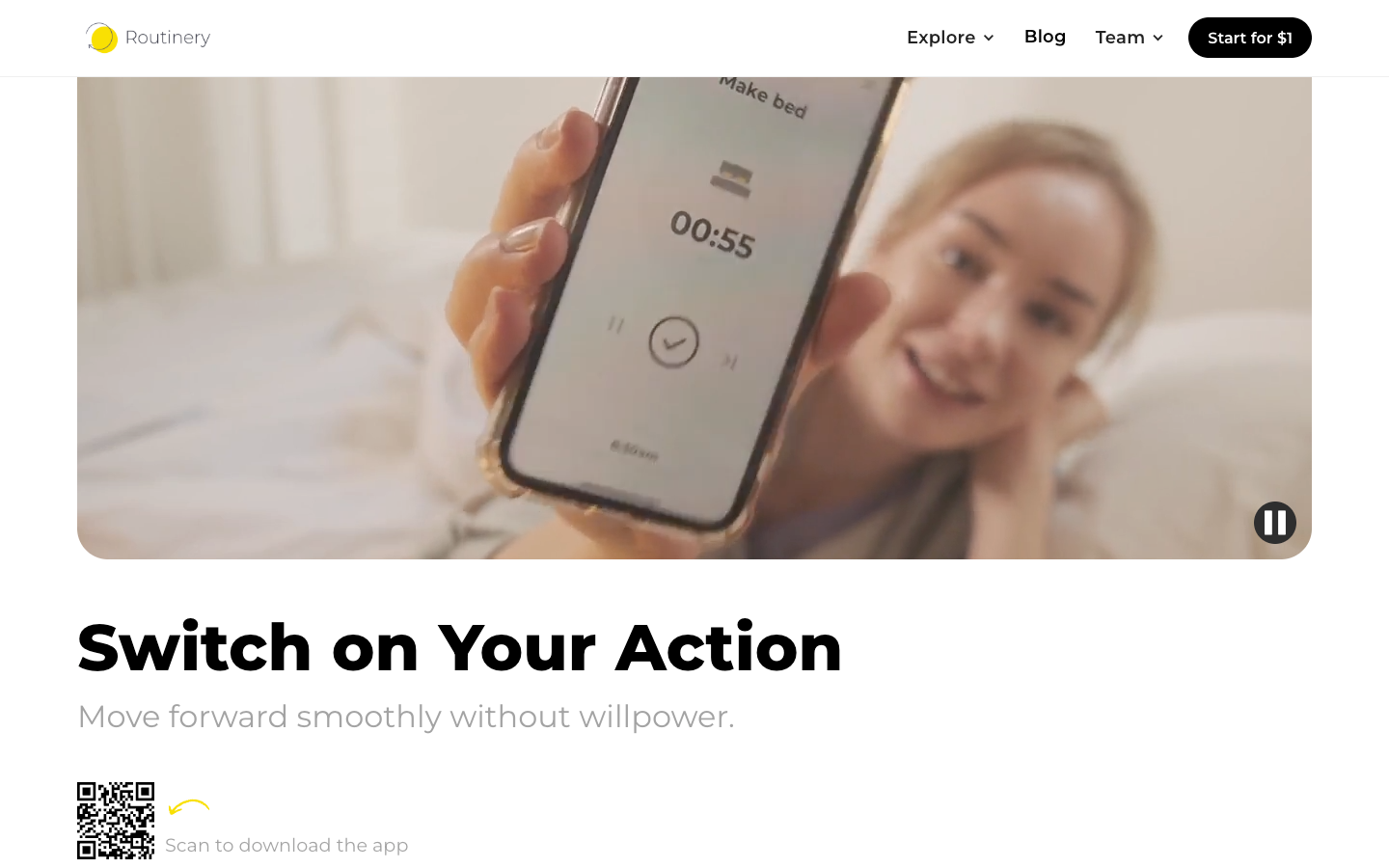
Routinery is a routine execution app — you build a routine from a library of activities, assign a duration to each step, and the app walks you through it with countdown timers and automatic transitions.
At a glance:
- Best known for: Timer-guided step-by-step routine execution for morning and evening routines
- Main use case: Removing the "what's next" gap in daily routines through automated sequencing with timers
- Designed for: General adults — widely used by ADHD and neurodivergent communities
- Pricing: Free tier (limited routines). Premium ~$27.49/year.
- Platforms: iOS, Android, Web, Apple Watch
- Note: User reviews in 2026 have flagged post-update bugs affecting reliability. Worth noting before subscribing.
Is Routinery Good for ADHD?
For the specific problem it addresses — the "what's next" gap between routine steps — yes, genuinely.
Where it actually helps
Automatic step transitions remove the ADHD transition stall. Moving from one activity to the next is disproportionately difficult for ADHD brains. The micro-gap between "shower done" and "now I need to get dressed" is where ten minutes disappear. Routinery's automatic progression — timer ends, next step starts — removes that decision from your cognitive load entirely.
Real-time timers address ADHD time blindness within routines. Seeing the countdown on each step — "7 minutes left for breakfast" — makes the time available for each activity concrete and visible.
Setup burden is low once routines are built. Building routines requires initial effort, but once they're configured, running them is a single tap. That asymmetric setup vs. daily use ratio suits ADHD patterns reasonably well.
Where it falls short for ADHD
Routinery starts at step one — it doesn't get you out of bed. The most reported ADHD morning problem isn't the transition between shower and breakfast. It's the transition from lying in bed to starting the routine at all. Routinery helps once you've pressed start. The initiation gap before that is not within its scope.
Post-update reliability issues in 2026. User reviews have flagged bugs following recent updates affecting timer accuracy and routine transitions. Worth checking current App Store ratings before subscribing to Premium.
Six Alternatives Worth Trying
1. Inflow — For the Patterns That Make Routines Hard to Start
.png)
Routinery executes your routine. Inflow helps you understand why starting the routine is so reliably the hardest part — and builds the CBT-based skills that make initiating any routine less of an achievement each morning.
The app is built specifically for ADHD, grounded in CBT, and covers the patterns that disrupt routines at the source: shame cycles from previous failed routines, time blindness that makes the morning feel both urgent and abstract simultaneously, and the specific paralysis that ADHD creates at transition points.
What's inside:
- CBT modules on routine initiation, time blindness, and the shame cycles that make morning routines so emotionally loaded for ADHD adults
- Virtual coworking rooms — body doubling that helps get the first step started through social presence
- Quinn, the AI support tool — available in real time when you're lying in bed at 7:40am knowing the routine should have started at 7:00am
- Community of ADHD adults who understand exactly what a Routinery-equipped terrible morning looks like
7-day free trial. Refund available within 7 days of first payment through Inflow's website.
Pricing: From $0.33/day (billed annually).
Platforms: iOS, Android.
Try it: Take Inflow's ADHD quiz to get started.
2. Tiimo — Visual Day Planning Beyond the Morning Routine
Tiimo is a visual daily planner designed specifically for neurodivergent users. Where Routinery focuses on executing a specific routine sequence, Tiimo provides the full-day visual timeline — showing how the morning routine connects to the rest of the day.
For ADHD adults who execute their morning routine successfully but then lose the day after it, Tiimo addresses the day-level structure that Routinery's routine scope doesn't cover.
Best for: ADHD adults who use Routinery for morning execution but need visual time structure for the full day around it.
Pricing: Free tier. Pro ~$7–$12/month.
Platforms: iOS, Android, Web, Apple Watch.
3. Focusmate — External Accountability for the Routine Start
Focusmate pairs you with another person over video for a defined work session. For ADHD adults whose routine problem is the transition from bed to starting the first step — booking an early Focusmate session creates a social commitment that makes that transition externally motivated.
Best for: ADHD adults who can execute the routine once it's running — but need an external reason to start it in the first place.
Pricing: Free (3 sessions/week). $8/month billed annually.
Platforms: Web only.
4. Fabulous — Incremental Habit Building for Longer-Term Routine Development

Fabulous is a habit-building app grounded in behavioural science that builds routines incrementally — starting with one small action and layering from there. Where Routinery executes a pre-built routine, Fabulous helps you build the habit of having a routine in the first place.
For ADHD adults who don't yet have a stable morning routine and need to build one gradually — rather than execute a pre-built sequence — Fabulous provides a more appropriate starting point.
Best for: ADHD adults who don't yet have a consistent morning routine and want to build one incrementally before using a step-by-step execution tool like Routinery.
Considerations: Streak mechanics are present and can create shame for ADHD users who engage inconsistently. Billing issues reported in 2026 — review terms before subscribing.
Pricing: ~$39.99/year.
Platforms: iOS, Android.
5. Structured — Visual Day Planning with Calendar Integration
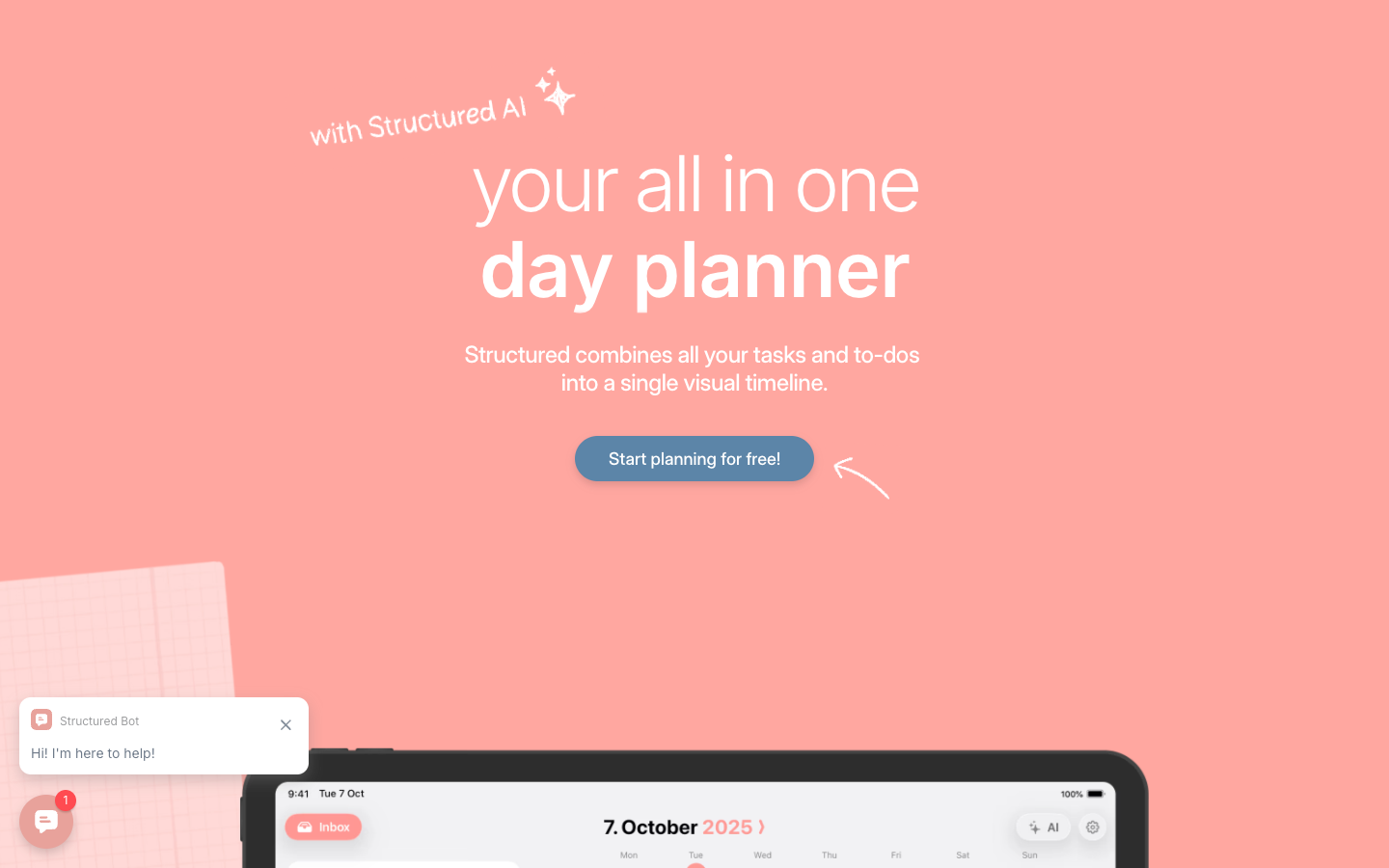
Structured is a visual day planner that shows tasks and calendar events on a colour-coded timeline. For ADHD adults who want to see their Routinery morning routine as part of the full day's schedule — rather than a separate app — Structured's calendar integration makes that possible.
Best for: ADHD adults who want visual day planning that shows how their morning routine fits within the context of their full day's commitments.
Pricing: Free tier. Pro ~$19.99/year.
Platforms: iOS, Android, Web.
6. Finch — When the Routine Failed and Shame Has Arrived

When the Routinery session doesn't get started, the timer runs out on "getting dressed" because you were hyperfocusing on something else, and the morning has officially gone sideways — Finch provides a gentle no-judgment reset before the shame spiral takes the whole day.
Best for: ADHD adults who need a low-stakes daily touchpoint on the days when the morning routine fails — without the record of failure visible in a streak counter.
Pricing: Free core version. Finch Plus ~$69.99/year.
Platforms: iOS, Android.
Side-by-Side Comparison
How to Choose
You need step-by-step timer guidance to execute a routine you already have. Routinery. This is its purpose — and it does it well when the app is running reliably.
You want to understand why starting the routine is so reliably difficult. Inflow. CBT-based content on routine initiation and ADHD patterns. Take the quiz.
You need the morning routine to connect to the rest of the day visually. Tiimo for full-day visual planning.
You need external motivation to start the routine. Focusmate. A morning booking creates a social commitment to be up and at the desk.
You don't have a stable routine yet and need to build one gradually. Fabulous. Incremental habit building before committing to a step-by-step execution tool.
The routine failed and the day is at risk of being written off. Finch. No judgment, no streak, always available.
Final Thoughts
Routinery addresses a real and specific ADHD problem — the transition gaps between routine steps that eat the morning. The step-by-step timer format works because it removes decision-making from the execution loop entirely.
Where it reaches its limit is scope: it can only run from step one once you press start. Getting to the point of pressing start — from bed, from the fog of early morning, from the shame of yesterday's failed routine — is the ADHD challenge it can't touch.
The tools above address different dimensions of the same morning challenge. The right combination depends on where specifically your routine breaks.
Understand what's getting in the way
Take Inflow's free ADHD quiz to see what ADHD patterns are disrupting your routines and what kind of support might help. 7-day free trial, refund available within 7 days of first payment through Inflow's website.
Frequently Asked Questions
Is Routinery good for ADHD?
Yes — for the transition gap problem specifically. Routinery's countdown timers and automatic step progression address one of the most consistent ADHD morning routine challenges: the indeterminate pause between one step and the next. Its limitation is that it starts at step one and doesn't address the initiation gap before that.
What is the best morning routine app for ADHD?
Routinery for step-by-step timer-guided execution. Tiimo for visual day planning that includes the morning routine in the context of the full day. Inflow for understanding the ADHD patterns — shame, time blindness, initiation difficulty — that make any morning routine unreliable to start.
Is Routinery free for ADHD?
Routinery has a free tier with limited routine access. The Premium version at ~$27.49/year allows unlimited routines and additional features. User reviews in 2026 have flagged post-update reliability issues — worth checking current ratings before subscribing.
Why is it so hard for ADHD adults to follow a morning routine?
Morning routines require automatic sequencing — doing the right thing in the right order without extensive deliberate decision-making. ADHD executive dysfunction impairs exactly this: the internal guidance system that neurotypical adults use to transition between morning steps. Externally imposed sequence and timing (like Routinery provides) can compensate for that impaired internal system.


